Overview
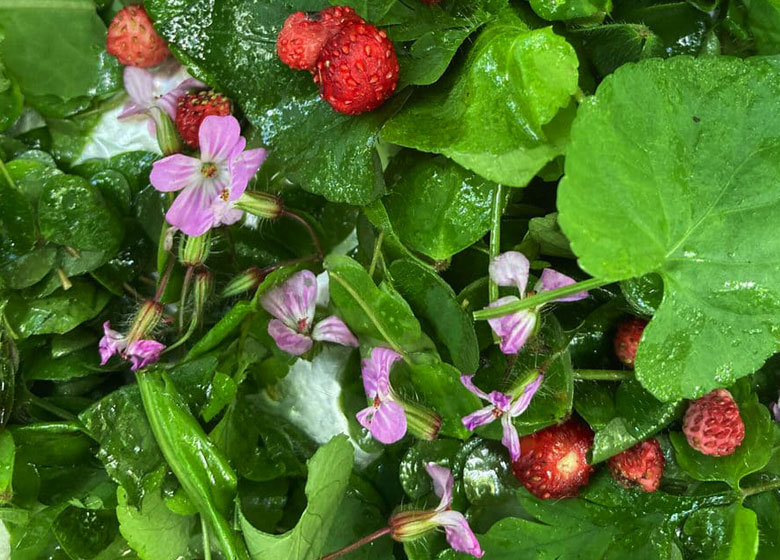
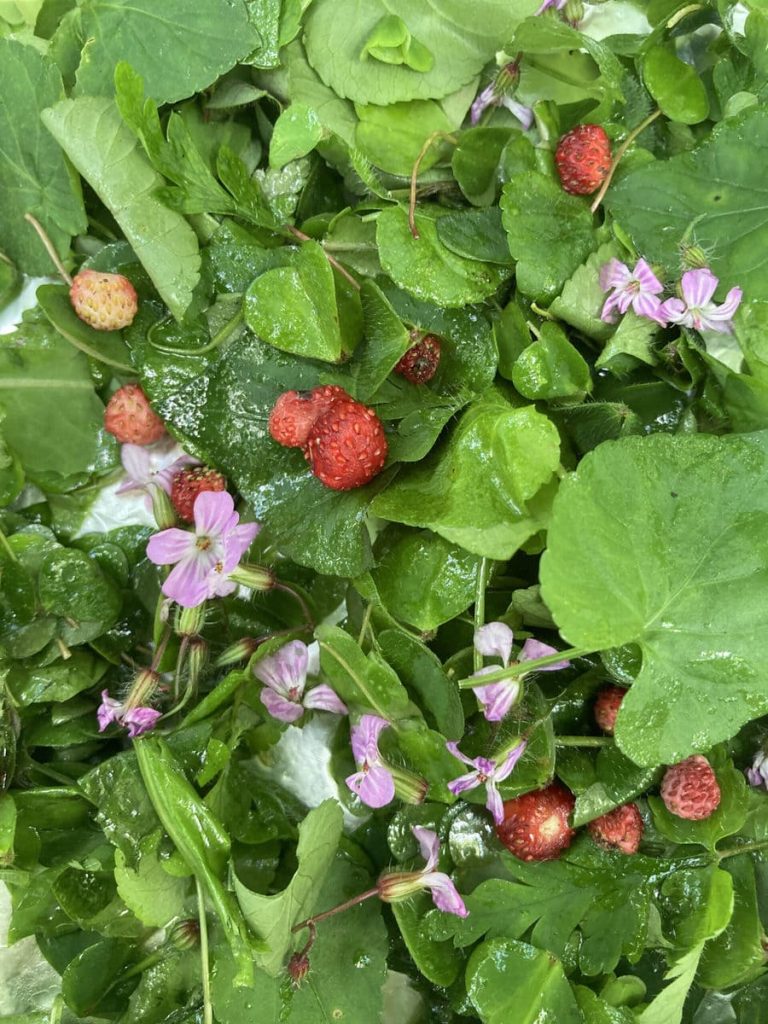
The use of plants for food, medicine and craft goes back millennia and continues to be relevant today. Much of this knowledge has been passed down through oral traditions from a time when people relied on their own skills for nourishment, healthcare and everyday needs. One of the cornerstones of bushcraft is the ability to recognise and utilise the plants and trees of your surroundings. Beyond the woods, this knowledge enriches daily life by deepening our relationship with the natural world.
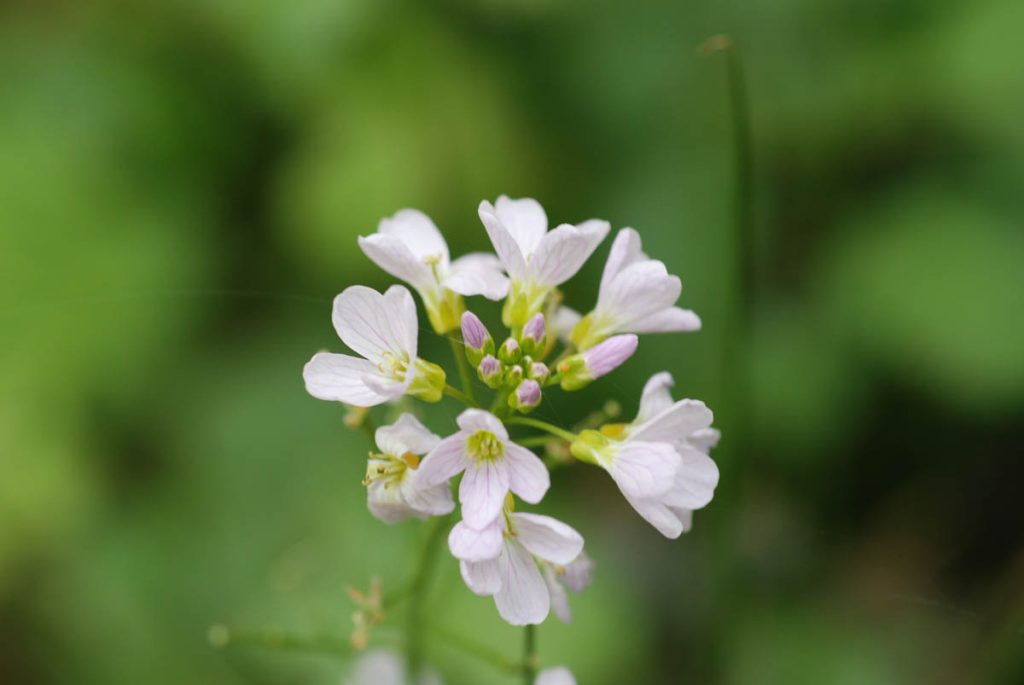
This course focuses on developing the ability to identify a wide range of plants and trees and to understand their uses in craft, food, medicine, navigation and bushcraft. Students will not only learn about plants but also put this knowledge into practice through experimentation and application. Over the training period, participants will work from a master list covering between eighty and one hundred species. The programme is delivered over five days, including a short assessment that includes plant and tree identification tests and a written paper. The assessment is optional.
Course Content
The training covers plant and tree identification, including recognising common poisonous species and understanding the effects of their chemical constituents. Students will explore the nutritional value of wild foods, discover alternatives to pharmaceutical medicines and learn about the traditional uses of individual plants in areas such as bushcraft and natural navigation. Practical sessions include simple treatments for minor illnesses, the use of herbs for first aid, harvesting methods, and the preparation of herbal medicines.
Your learning is brought to life through hands-on experience. You’ll discover how plants can provide fire, cordage and nourishment in the wild, and how traditional knowledge transforms simple materials into essential tools. Along the way, you’ll experiment with wild foods, try out time-tested techniques, and deepen your awareness of the landscape. Folklore and plant stories are woven throughout the course, adding a sense of tradition and adventure to the practical learning.
Fees
The cost of this course is £550 per person.
Catering
Please note this is a self catered course and camping is optional.
Details
As part of the course, we’ll spend time outdoors on field trips. This may involve walking for extended periods on uneven ground and being in areas without regular toilet facilities, so a reasonable level of fitness and preparedness is recommended. If you have any questions or would like to discuss this further, please feel free to get in touch.
This programme is led by John Rhyder.
Bookings
Please read the below information before booking.
- Terms & Conditions – by booking on to our courses you agree to our Terms & Conditions
- The Course Kit List
Please note this is a self catered course and although it is non residential you are welcome to camp at our site if you prefer. There will be some travel to other venues although we will endeavour to car share as much as possible.
NB: Camping is not integral to this programme, it is something we offer for the convenience of our students it is not part of the course fee. With this in mind please be aware that should you choose to stay on site you will be expected to help with the small tasks, that facilitate the smooth running of the camp.
COURSE DATES 2026
- Date: 29 July - 2 August 2026
- Location: Near Midhurst, West Sussex
- Start time: 8.30am (you can arrive the night before)
- Finish time: 5.00 pm each day
- Course leader: John Rhyder
- Course size: 12 (maximum)
- Cost per person: £550 (deposit £100)
Certification
 The award level is set at level 3 by using national benchmarks. should you choose to attend the assessment Successful candidates will receive the Certificate in Foundational Ethnobotany from the NCFE who we will be using to underscore the quality of this programme. In addition we also provide a Woodcraft School certificate.
Levels
The level of our programmes implies the degree of work needed to be done by the student to achieve certification. Our awards are set at level 3 and 4 this does not imply that levels below these benchmarks are needed prior to joining a course. Guidelines as to the complexity of the levels can be found here.
Assessment
The assessment process consists of identification tests and observations of practical tasks including preparation on plant remedies and experimentation with wild foods. The plant and tree identification tests are carried out in the last afternoon of the training period.
It is possible to take the training element of this course and not the assessment in which case a certificate of attendance is offered.