Overview
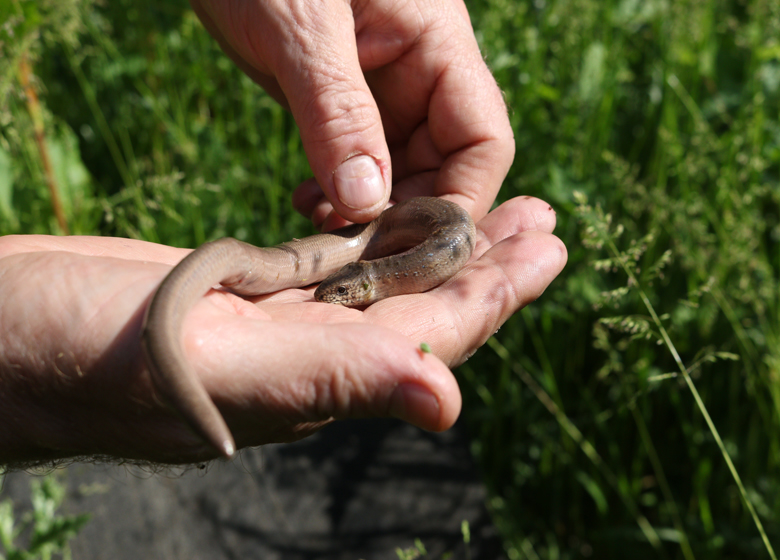
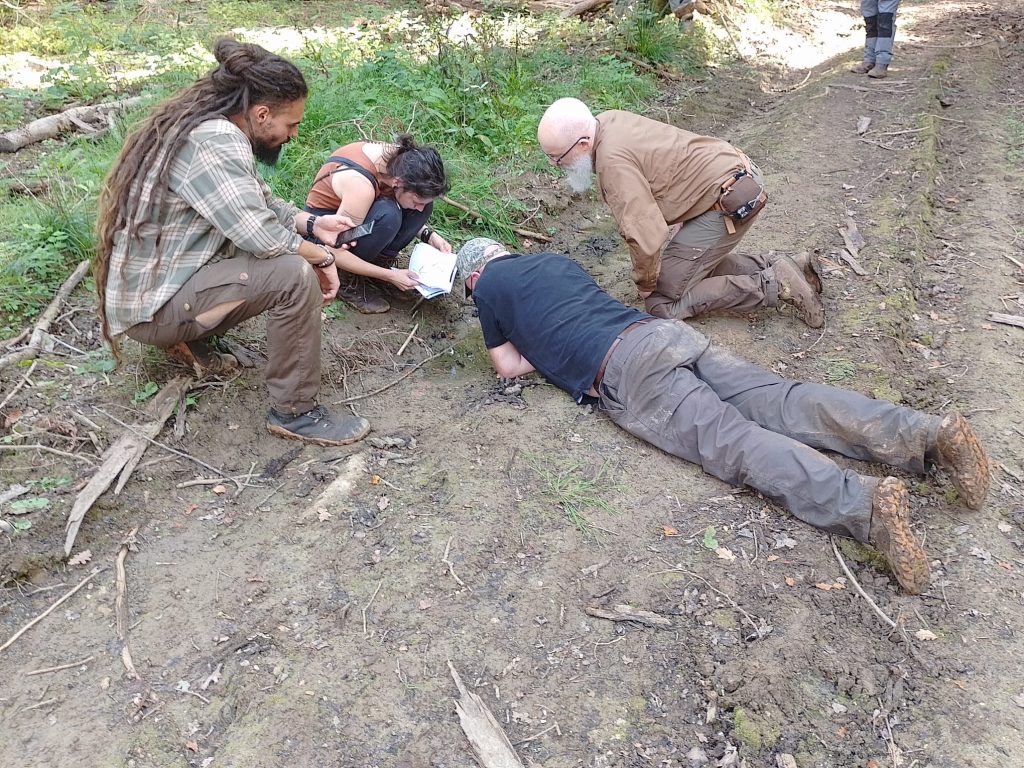
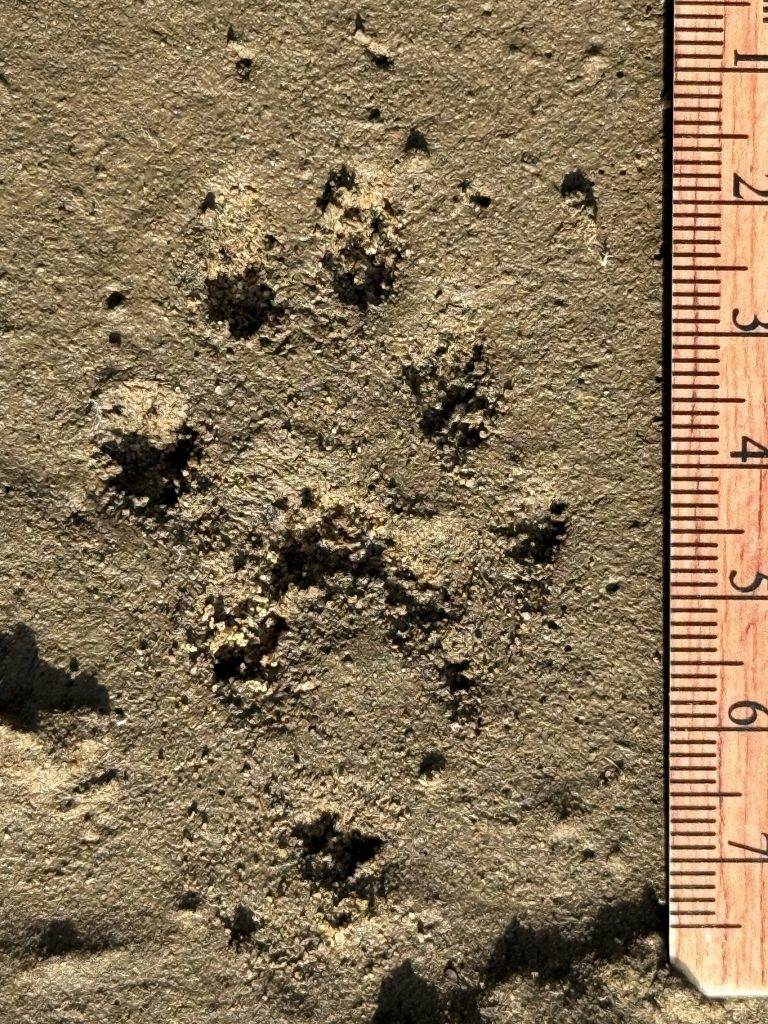
A deep dive into the world of wildlife tracking learning how to read the stories written across the landscape. This course is about slowing down, sharpening your eye for detail, and building real confidence in identifying land vertebrates—not just by what you see, but by the signs and sounds they leave behind. Tracks, trails, scats, feeding signs, resting places, movement patterns and vocalisations all form part of the picture, and we spend our time working with genuine examples found in the field. From the smallest rodent sign to the largest footprint, you’ll learn how to piece together clues to better understand how animals live, feed, communicate, and move through their environment.
Field time is central to the course, but what you encounter outdoors is supported and reinforced through theory sessions and resources. Along the way you’ll gain hands-on experience using camera traps, ink traps, and small mammal live traps, allowing you to observe animals more closely and confirm what you’re finding on the ground. While much of our work focuses on the rich wildlife of our main sites, we also take field trips to other locations to broaden your experience and expose you to a wider range of habitats and species. By the end of the course, you’ll have a solid, practical understanding of wildlife identification and the confidence to interpret tracks, signs, and vocal cues in the field.
The course is designed to develop not just knowledge, but the ability to observe, identify and interpret wildlife in the field. By the end of the programme, you will have a much deeper understanding of the animals around you and greater confidence in reading the evidence they leave behind.
Course Content
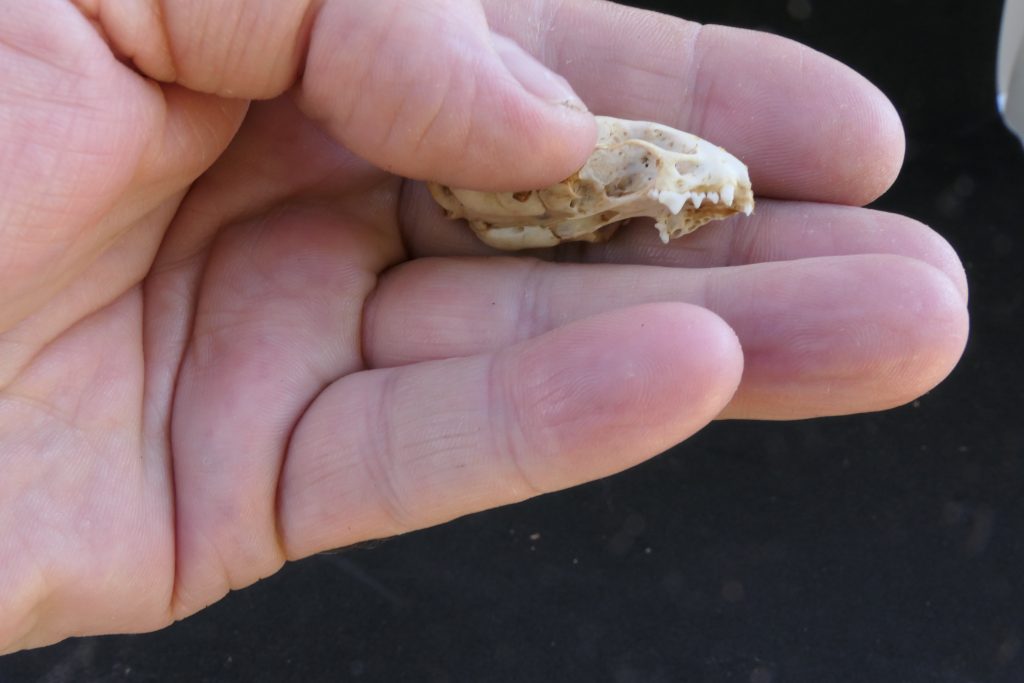
We immerse ourselves in the study of birds, mammals, reptiles, and amphibians, learning how to identify them through tracks, signs, sound, and sight. Topics include track identification, understanding gaits and movement patterns, and recognising the subtle details that distinguish similar species. You’ll explore feathers in depth—looking at their form, function, and role in identification—as well as skulls and bones to develop a stronger understanding of anatomy.
Part of the course focuses on vocalisation, particularly bird language but also the calls and sounds produced by other animals. You’ll learn how vocalisations can reveal presence, behaviour, and interactions within the wider landscape. Through guided exploration, you will investigate kill sites, scat, feeding signs, dens, and resting places, always working whenever possible with real-world examples The aim throughout is to develop a more holistic approach to tracking—bringing together visual observation, sound, context, and interpretation.
The course combines practical fieldwork with access to our extensive teaching collections, allowing students to examine and compare real examples at close quarters. This hands-on approach is supported by time spent observing wildlife in its natural environment, where identification and interpretation skills can be developed in context.
As part of the assessment, students also undertake a one-day CyberTracker Track and Sign Evaluation, providing an opportunity to demonstrate their developing tracking skills through an internationally recognised practical assessment. Find out more about CyberTracker evaluations.
The programme is deliberately practical and immersive. Students are encouraged to slow down, observe carefully and develop the ability to put different pieces of evidence together rather than relying on a single identifying feature.
This course can be combined with our Wildlife Trailing Intensive Course for those wishing to develop their tracking skills further. Together, the two programmes provide a comprehensive pathway from wildlife identification and track and sign through to the practical skill of following an individual animal’s trail.
Details
As a part of the course, we’ll spend time outdoors on field trips. This may involve walking for extended periods on uneven ground and being in areas without regular toilet facilities, so a reasonable level of fitness and preparedness is recommended. If you have any questions or would like to discuss this further, please feel free to get in touch.
This programme is led by John Rhyder.
Fees
The cost of this programme is £1200 which can be spread over 4 equal payments.
Related programmes.
Dates 2027
- 23-25 April 2027
- 21-23 May 2027
- 18-20 June 2027
- 30 July 1 August 2027
Booking
Please read the following information before booking:
- Terms & Conditions – by booking on to our courses you agree to our Terms & Conditions
- The Course Kit List
Please note these are self catered courses, we are not always working from our usual site for our tracking events and so do not normally offer camping. there are some excellent campsites close by which are reasonably priced.
You need to be over 18 years of age to attend this programme.
Course dates
If these courses are full please contact us to be placed on a waiting list for cancellations. Should enough people express an interest we may run extra dates.
- Course: Wildlife Identification & Tracking
- Location: West Sussex
- Dates: Starts April 2027
- Start/Finish: 08.30-16.30
- Course leader: John Rhyder
- Course Numbers: 8-10 (maximum)
- Cost per person: £1200
Certification
The original NCFE‑accredited woodcraft courses were created by Woodcraft School and John Rhyder, in partnership with Plumpton College.
These were the first of their kind and remain the origin from which later courses have emerged. The history of this development can be read here.
Other providers now offer NCFE awards developed independently to meet their own aims. As these are customised qualifications, they naturally differ from ours. Our qualifications remain singular in their provenance, depth, and integrity, and we believe they represent the highest level available.
 The award level is set at level 4 by using national benchmarks. Successful candidates will receive the certificate Wildlife Identification & Tracking from the NCFE who we will be using to underscore the quality of this programme. In addition we also provide a Woodcraft School certificate.
Levels
The level of our programmes implies the degree of work needed to be done by the student to achieve certification. Our awards are set at level 2, 3 and 4 this does not imply that levels below these benchmarks are needed prior to joining a course. Guidelines as to the complexity of the levels can be found here.
Assessment
The assessment process varies from subject to subject and includes identification of bird and animal calls, identification of trucks and signs in the field. Identification of field marks using images video or direct observation. There is little written work to successfully achieve this award.
If you have any questions or would like more information about this course, please feel free to contact us for an informal chat.